
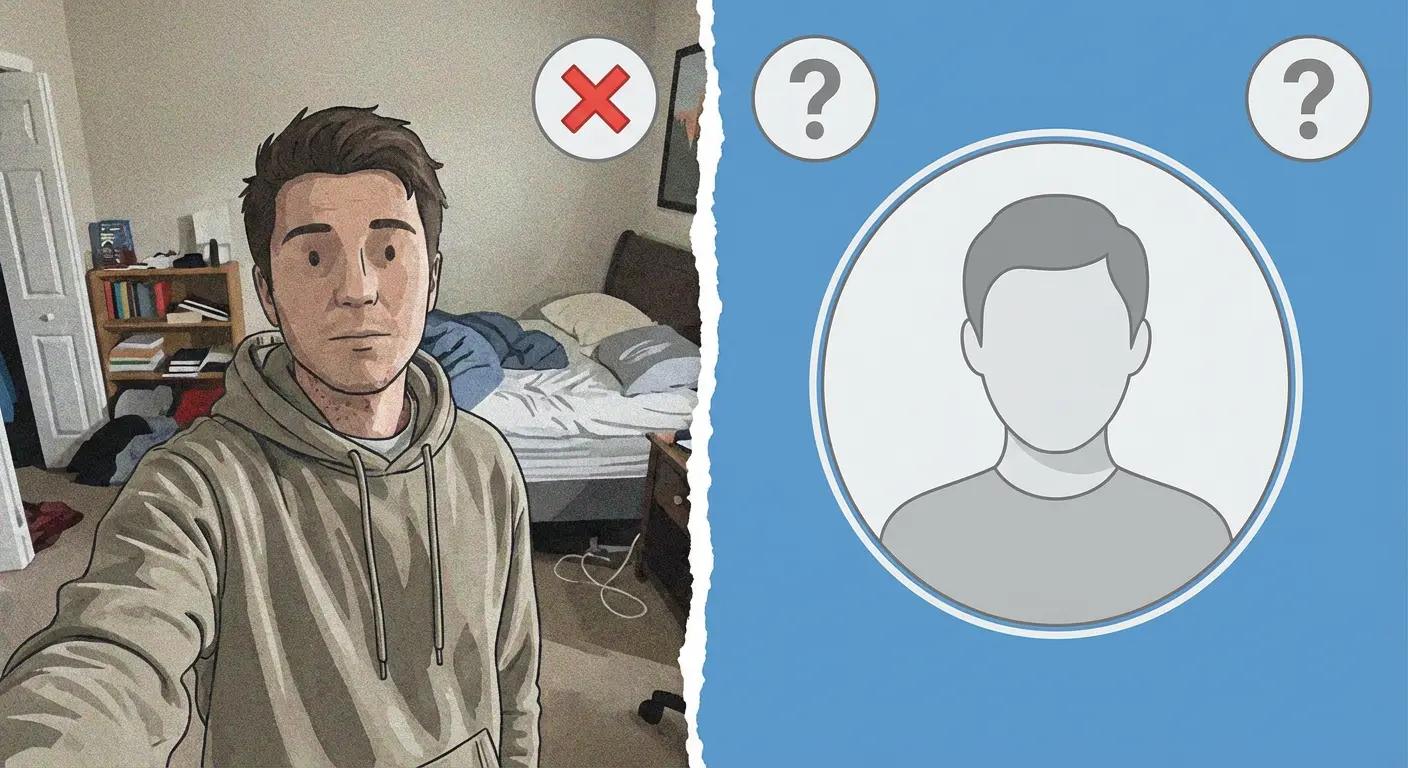
Is An Unprofessional Headshot Better Than No Photo?
Picture this: You're updating your LinkedIn profile at 11 PM, and you realize you don't have a professional headshot. Your camera roll is full of vacation selfies, blurry group photos, and that one decent picture from last year's holiday party where you're wearing a Santa hat. Do you upload the least terrible option, or leave your profile picture blank?
This dilemma affects millions of professionals worldwide. The answer isn't as straightforward as you might think, but understanding the nuances can save your professional reputation: and potentially land you that dream job.
The Case for Having Any Photo
Research consistently shows that profiles with photos receive significantly more engagement than blank profiles. On LinkedIn, profiles with photos receive 21 times more profile views and 36 times more messages. Even on dating apps, profiles without photos get virtually zero matches compared to those with imperfect pictures.
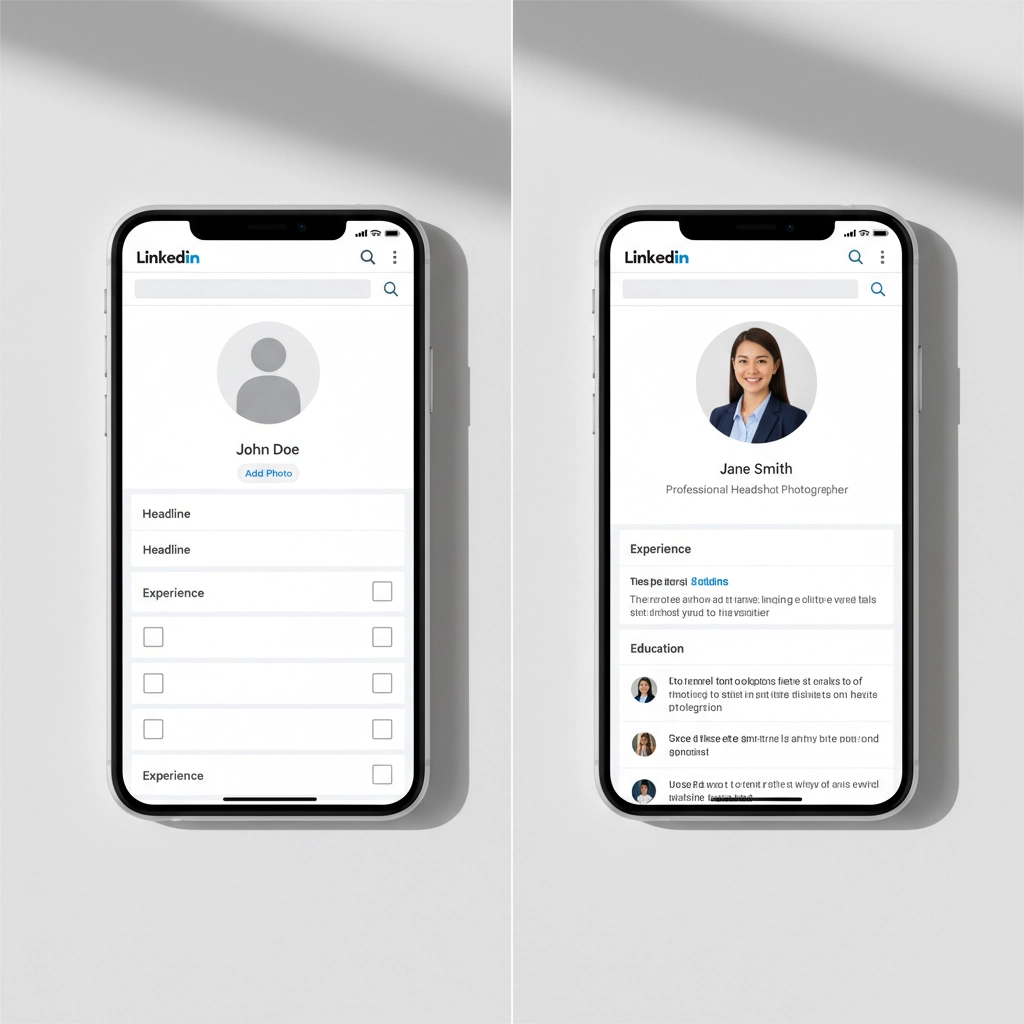
The psychology behind this is simple: humans are visual creatures who make split-second judgments about trustworthiness and competence based on appearance. A blank profile creates an immediate barrier because people can't form that crucial first connection.
When you have no photo, potential employers, clients, or connections might assume you're:
- Not tech-savvy enough to upload a picture
- Hiding something about your appearance
- Not serious about your professional presence
- Potentially a fake or spam account
These assumptions happen subconsciously within milliseconds, often before someone even reads your bio or qualifications.
When Unprofessional Photos Actually Hurt You
However, there's a critical threshold where a bad photo becomes worse than no photo at all. An unprofessional headshot can actively damage your professional brand if it falls into these categories:
Truly terrible quality: Blurry, pixelated, or poorly lit photos that suggest you don't care about details or quality control.
Inappropriate context: Photos from parties, beaches, or other non-professional settings where your judgment might be questioned.
Outdated by decades: Using a photo from 10+ years ago creates an immediate trust issue when people meet you in person.
Poor composition: Photos where you're barely visible, cut off awkwardly, or competing with distracting backgrounds.
Unprofessional attire: Casual wear that doesn't match your industry standards or desired professional image.
The key distinction is intention. A photo that feels careless or thrown together signals that you might approach your work with the same lack of attention to detail.
The Acceptable "Unprofessional" Threshold
Not every photo needs to cost $500 and come from a professional studio. Many successful professionals use photos that are technically "unprofessional" but still effective because they meet these minimum standards:
Good lighting: Natural window light or well-lit indoor spaces work perfectly for smartphone photos.
Clear image quality: Sharp focus on your face with minimal pixelation or blur.
Appropriate framing: Your face takes up about 60% of the frame, with some shoulder showing.
Professional attire: Clothing that matches your industry's dress code and career aspirations.
Neutral background: Simple, non-distracting backgrounds that don't compete for attention.
Recent likeness: Taken within the last 2-3 years so people recognize you in person.

A smartphone photo taken by a friend that meets these criteria often outperforms expensive studio shots that feel too formal or don't capture your personality authentically.
Real-World Scenarios: When Context Matters
The "unprofessional vs. no photo" decision varies dramatically by platform and purpose:
LinkedIn Professional Networking
On LinkedIn, an imperfect but appropriate photo almost always wins. The platform's algorithm actually favors profiles with photos, meaning you'll appear in more search results. Even a casual but professional-looking smartphone photo beats a blank profile for:
- Recruiter searches
- Connection requests
- Content engagement
- Professional credibility
Dating Profile Photos
Dating apps are even more visual-centric. A less-than-perfect photo that shows your genuine smile and personality dramatically outperforms no photo. However, the standards are more flexible: casual settings and clothing are perfectly acceptable.
Company Team Pages
For company websites and team directories, the consistency of having all team members represented often matters more than perfect individual photos. A coordinated "unprofessional" photo shoot with smartphones can look more authentic than mixing professional shots with blank spaces.
Industry-Specific Considerations
Creative industries often embrace more personality and casual professionalism in photos, while conservative fields like finance or law maintain stricter standards. Understanding your industry's visual culture helps determine the minimum acceptable threshold.
Quick Fixes for Unprofessional Photos
If you're stuck with an imperfect photo, these simple edits can push it across the acceptability threshold:
Crop strategically: Remove distracting background elements and focus on proper headshot framing.
Adjust brightness and contrast: Most phones have built-in editing tools that can improve lighting instantly.
Apply subtle filters: Light filters can improve skin tone and overall photo quality without looking overdone.
Sharpen the image: Slight sharpening can make a soft photo appear more professional.
Check the background: Sometimes a simple background blur or replacement can transform an amateur photo.
Remember: the goal isn't perfection but professionalism. Small improvements often make the difference between "unprofessional" and "acceptably casual."
When AI Headshots Solve the Problem
This entire dilemma has a modern solution: AI-generated professional headshots. Services like ProfileHero eliminate the choice between unprofessional photos and no photos by creating high-quality headshots from your existing casual photos.
AI headshots offer several advantages:
- Professional quality without studio costs
- Multiple style options for different platforms
- Consistent lighting and composition
- Quick turnaround (usually 1-2 hours)
- No scheduling or travel required
For professionals who've been stuck with unprofessional photos or blank profiles, AI headshots provide a practical middle ground that delivers professional results without professional photography budgets.
The Bottom Line Decision Framework
Use this simple framework to decide whether to use your imperfect photo:
Use the photo if:
- It meets the minimum quality standards above
- You look professional and approachable
- The photo was taken within the last 3 years
- It represents how you'd dress for work
Skip the photo if:
- It's blurry, pixelated, or poorly lit
- The setting is clearly inappropriate for your field
- You're wearing something you'd never wear to work
- It was taken more than 5 years ago
Get a new photo (or AI headshot) if:
- You're actively job searching
- Your current photo fails multiple criteria above
- You're building a personal brand or business
- Your industry expects high professional standards


Making Your Choice Count
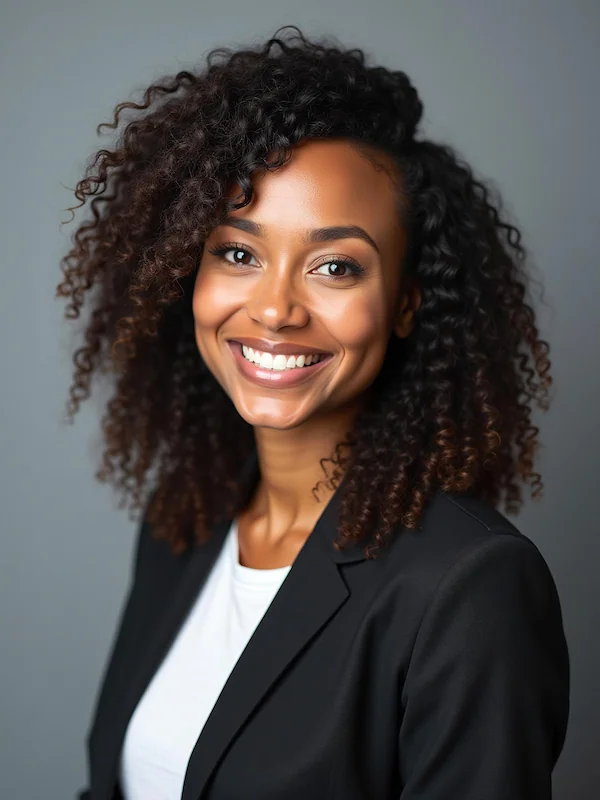
The "unprofessional vs. no photo" debate ultimately comes down to intention and execution. A thoughtful smartphone photo that demonstrates care and professionalism will always outperform a blank profile. However, a careless or inappropriate photo can damage your professional image more than going without.
If you're tired of this dilemma entirely, consider investing in AI-generated professional headshots that give you multiple professional options for the cost of a nice dinner. Your professional image deserves better than "good enough": and now you have the tools to make that happen.
Ready to upgrade from unprofessional photos to polished headshots? Create your professional AI headshots today and never worry about this choice again.